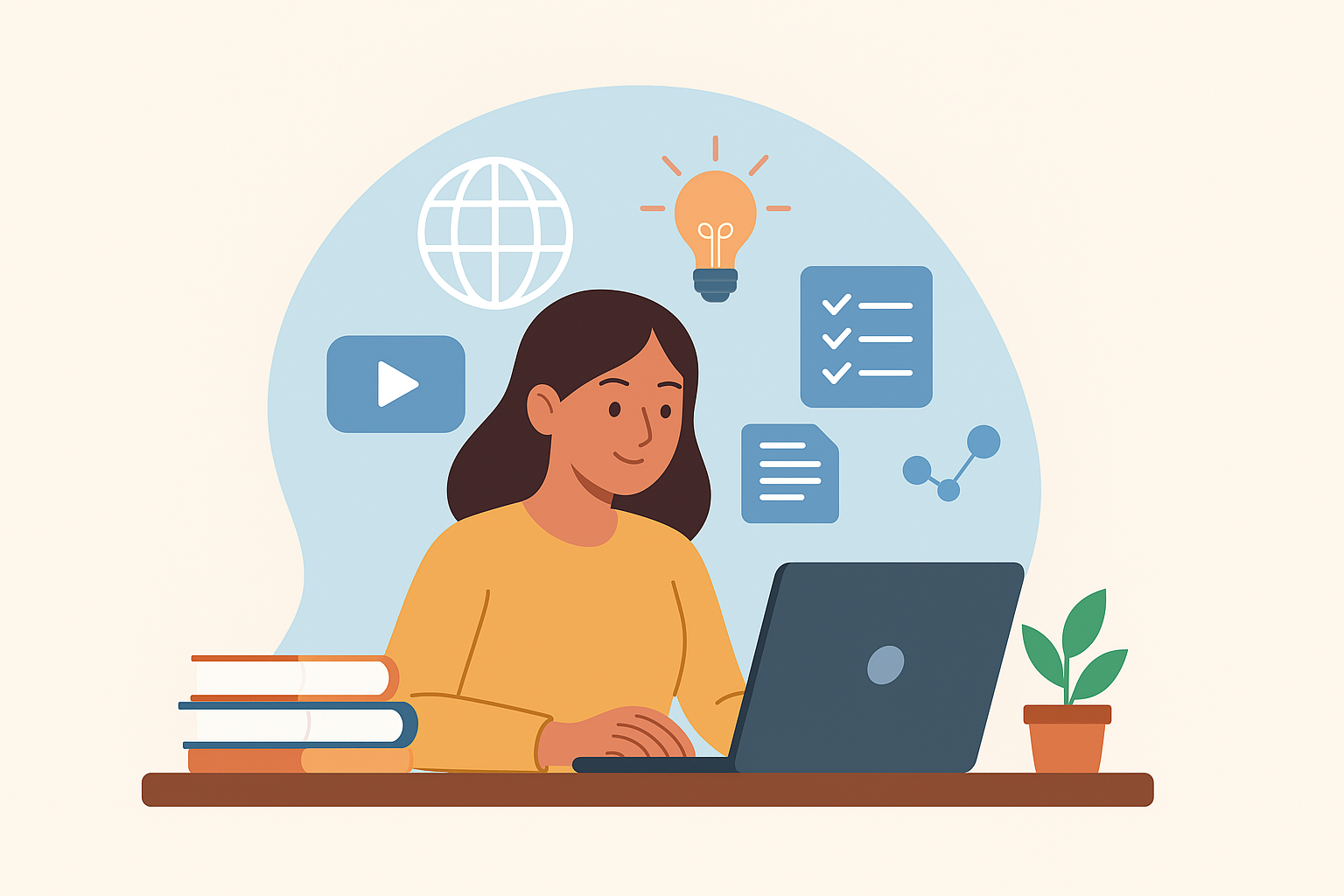
The Future of Education: Trends Shaping How We Learn
Education is evolving at a pace never seen before in history. Driven by rapid technological advancements, changing workforce demands, and global connectivity, the way we teach and learn is undergoing a profound transformation. No longer limited to traditional classrooms, education now spans online platforms, virtual simulations, and personalized learning paths that can adapt to each learner’s needs.
This shift is not just about technology—it’s about rethinking what skills matter, how knowledge is delivered, and how education can prepare people for a future that is still taking shape. In this article, we will explore the key trends shaping the future of education and how they are likely to influence learning for generations to come.
1. Technology-Driven Learning
Digital tools are no longer optional—they are at the heart of modern education. From interactive whiteboards to artificial intelligence-powered tutors, technology is making learning more engaging, personalized, and accessible.
Key Innovations:
- AI Tutors and Chatbots: Provide instant feedback, help with problem-solving, and adapt lessons to the student’s pace.
- Augmented Reality (AR) and Virtual Reality (VR): Create immersive learning environments for subjects like science, history, and engineering.
- Gamification: Incorporates game elements like points, levels, and challenges to make learning fun and motivating.
Why it matters: Technology allows for a more interactive and individualized learning experience, breaking down barriers for students of all backgrounds.
2. Personalized Learning Paths
The “one-size-fits-all” approach to education is becoming outdated. In the future, students will increasingly learn through customized pathways that reflect their interests, strengths, and career goals.
How it works:
- AI analyzes performance data to suggest tailored lessons.
- Students choose learning formats—videos, readings, projects—based on what works best for them.
- Progress is measured by mastery of skills, not by time spent in class.
Impact: Personalized learning helps students stay motivated, improve retention, and reduce frustration by matching pace and style to the learner.
3. Lifelong Learning as the New Norm
Gone are the days when education ended after graduation. In a world where industries change rapidly, continuous learning is essential.
Emerging Practices:
- Microlearning: Short, focused lessons that fit into busy schedules.
- Upskilling and Reskilling: Short courses to gain new skills or shift careers.
- Online Certifications: Affordable and flexible alternatives to traditional degrees.
Why it matters: The job market is evolving fast—lifelong learners can adapt and thrive in changing economic conditions.
4. Blended and Hybrid Learning Models
The COVID-19 pandemic accelerated the adoption of hybrid learning—a mix of in-person and online education. This model is likely to remain popular because it offers flexibility without sacrificing human interaction.
Benefits:
- Students can access recorded lessons anytime for review.
- In-person sessions focus on discussions, teamwork, and hands-on activities.
- Reduces geographic limitations—students can attend classes from anywhere.
Future outlook: Hybrid models will evolve with better integration between physical classrooms and digital platforms.
5. Global Classrooms and Cross-Cultural Learning
Online platforms have made it possible for students from different continents to learn together in real-time.
Examples:
- International virtual exchange programs.
- Collaborative projects with peers from other countries.
- Access to lectures from global experts without travel costs.
Why it matters: Exposure to diverse perspectives builds empathy, cross-cultural communication skills, and a global mindset—skills highly valued in the modern workplace.
6. Focus on Skills Over Degrees
Employers are shifting their hiring criteria from academic degrees to demonstrated skills. This change is influencing how education systems design their curricula.
Trends:
- Project-Based Learning: Students create real-world projects instead of just memorizing facts.
- Portfolio Assessments: Skills are showcased through a portfolio of work rather than traditional exams.
- Industry Partnerships: Schools collaborate with companies to align training with market needs.
Outcome: Students graduate with job-ready skills and practical experience.
7. Social and Emotional Learning (SEL)
The future of education is not just about academic knowledge—it’s about preparing well-rounded individuals.
SEL teaches:
- Emotional regulation.
- Empathy and collaboration.
- Problem-solving and conflict resolution.
Why it matters: Emotional intelligence is a top skill for leadership, teamwork, and resilience in any career.
8. Education for Sustainability
As global challenges like climate change and resource scarcity grow, education is shifting to prepare students for a sustainable future.
Focus Areas:
- Environmental science and renewable energy.
- Ethical decision-making.
- Sustainable business practices.
Impact: Students learn to balance innovation with responsibility, becoming leaders in building a greener future.
9. The Rise of EdTech Startups
Educational technology companies are reshaping how people access knowledge.
Examples:
- Language learning apps like Duolingo.
- Coding platforms like Codecademy.
- Skill-based marketplaces like Skillshare.
Why it matters: These tools democratize education, making it affordable and accessible to people who may not have access to traditional institutions.
10. Data-Driven Decision Making in Education
Analytics are transforming how educators design lessons, measure success, and identify areas for improvement.
Uses of Data in Education:
- Tracking student engagement and progress.
- Predicting learning challenges before they occur.
- Personalizing course recommendations.
Future outlook: Schools will increasingly use data not to control students but to empower them with better feedback and guidance.
11. Accessibility and Inclusion
The future of education must be inclusive, ensuring all learners—regardless of ability, background, or location—have equal access to opportunities.
Strategies:
- Assistive technologies like text-to-speech and speech-to-text.
- Culturally diverse curricula.
- Affordable internet and device programs for underserved communities.
Why it matters: Education becomes truly transformative when it reaches every learner.
12. Peer-to-Peer Learning Communities
Students are becoming teachers too. Online communities, study groups, and mentorship networks encourage collaborative learning.
Benefits:
- Reinforces knowledge through teaching others.
- Builds leadership and communication skills.
- Creates supportive networks for long-term growth.
Conclusion
The future of education is bright, dynamic, and filled with possibilities. As technology advances and societal needs change, learning will become more personalized, accessible, and relevant to real-world challenges. Whether through AI-powered tutoring, global classrooms, or sustainability-focused curricula, the ultimate goal remains the same: to equip people with the knowledge, skills, and mindset to thrive in a rapidly changing world.
In this new era, education is not a stage of life—it is a lifelong journey. The most successful learners will be those who embrace adaptability, curiosity, and the courage to learn in new ways.