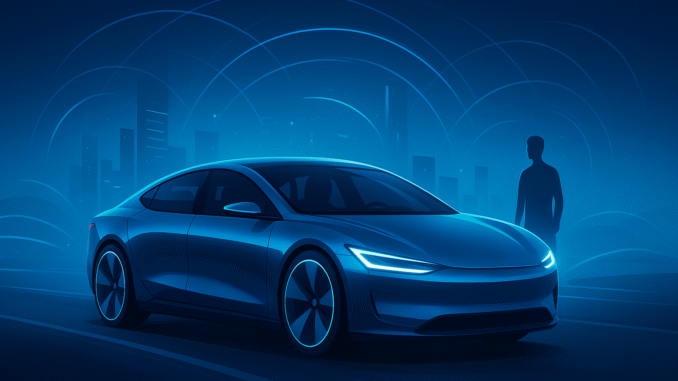
Top Automotive Innovations Transforming the Future of Driving
The automotive industry is undergoing a technological revolution. From electric powertrains to self-driving software, innovations are reshaping how we view transportation. These changes are not only making vehicles more efficient but also safer, smarter, and more connected. As consumer needs evolve and environmental concerns grow, automakers and tech companies are racing to bring futuristic ideas to life.
In this article, we’ll explore the top automotive innovations transforming the future of driving and how they are redefining our relationship with vehicles.
1. Electric Vehicles (EVs) – Driving Towards a Greener Future
Electric Vehicles (EVs) have moved from being a niche product to becoming a mainstream automotive trend. With advancements in battery technology and the global push toward sustainability, EV adoption is accelerating.
Key benefits of EVs:
- Zero emissions: Reduces air pollution and carbon footprint.
- Lower running costs: Electricity is generally cheaper than gasoline or diesel.
- Quiet operation: A smoother, noise-free ride.
Recent innovations in EVs:
- Solid-state batteries: Offering faster charging and longer ranges.
- Wireless charging pads: Allowing vehicles to charge without cables.
- Vehicle-to-grid (V2G) technology: Enabling EVs to feed unused energy back into the power grid.
With governments offering incentives and automakers expanding their EV line-ups, the transition to electric mobility is only gaining speed.
2. Autonomous Driving – The Road to Self-Driving Cars
Autonomous driving technology is one of the most anticipated innovations in the automotive industry. From advanced driver assistance systems (ADAS) to fully autonomous vehicles, the technology aims to reduce accidents and make driving more convenient.
Levels of automation:
- Level 1–2: Partial automation with features like adaptive cruise control and lane-keeping assist.
- Level 3–4: High automation where the car can handle most driving tasks under certain conditions.
- Level 5: Fully autonomous with no human intervention needed.
Key technologies behind self-driving cars:
- LiDAR and radar sensors: Detect road obstacles and measure distances accurately.
- AI-powered navigation: Makes split-second driving decisions.
- High-definition mapping: Offers precise location tracking.
While safety regulations and infrastructure are still catching up, the progress in autonomous driving promises to make roads safer and more efficient in the near future.
3. Connected Cars – The Internet on Wheels
Connected cars are vehicles equipped with internet access, allowing them to share data with other devices inside and outside the vehicle. This technology enhances driving experiences, improves safety, and offers new services.
Features of connected cars:
- Real-time navigation: Updates routes based on traffic conditions.
- Remote diagnostics: Alerts drivers of mechanical issues before they become serious.
- In-car infotainment: Streaming services, voice assistants, and app integration.
Emerging trends:
- 5G connectivity: Enabling faster and more reliable data transmission.
- Car-to-car (V2V) communication: Sharing hazard alerts between vehicles.
- Car-to-infrastructure (V2I) communication: Receiving information from traffic signals and road sensors.
Connected cars pave the way for smarter cities and more coordinated transportation systems.
4. Advanced Driver Assistance Systems (ADAS)
ADAS technologies are already saving lives by preventing collisions and helping drivers make better decisions on the road.
Common ADAS features:
- Automatic emergency braking (AEB)
- Blind-spot monitoring
- Lane departure warning
- Traffic sign recognition
Innovations improving ADAS:
- Machine learning algorithms that adapt to different driving environments.
- Sensor fusion combining camera, radar, and LiDAR data for greater accuracy.
- Night vision assistance for safer driving in low-light conditions.
These systems not only improve safety but also act as stepping stones toward fully autonomous driving.
5. Augmented Reality (AR) Dashboards
AR dashboards are transforming how drivers receive information. Instead of glancing at separate screens or gauges, key driving data is projected onto the windshield.
Benefits of AR dashboards:
- Keeps eyes on the road.
- Displays navigation arrows directly on the driving path.
- Highlights hazards in real-time.
Future AR systems may integrate with autonomous driving features, giving passengers a more interactive travel experience.
6. Sustainable Materials and Manufacturing
Innovation in the automotive sector isn’t limited to electronics and software—it also extends to materials and manufacturing.
Examples of sustainable practices:
- Using recycled plastics and plant-based materials in interiors.
- Implementing 3D printing to reduce waste in manufacturing.
- Adopting carbon-neutral production facilities.
These advancements not only reduce the environmental footprint but also appeal to eco-conscious consumers.
7. Over-the-Air (OTA) Software Updates
Gone are the days when upgrading a car’s features required a trip to the dealership. OTA updates allow automakers to remotely install new functionalities, fix bugs, and enhance performance.
Advantages of OTA updates:
- Improves security with regular patches.
- Extends vehicle lifespan with performance enhancements.
- Adds new features without hardware changes.
Tesla popularized this approach, and now many brands, including Ford, BMW, and Mercedes-Benz, are following suit.
8. Advanced Safety Systems
In addition to ADAS, automotive safety is being improved with innovative crash prevention and post-crash systems.
Cutting-edge safety features:
- Predictive emergency braking: Uses AI to anticipate collisions before they happen.
- Driver monitoring systems: Detect fatigue or distraction.
- Automatic post-collision braking: Prevents further accidents after an impact.
These innovations aim to bring road fatalities closer to zero.
9. Hydrogen Fuel Cell Vehicles (FCEVs)
While EVs dominate the headlines, hydrogen fuel cell vehicles are another promising green technology. They generate electricity by combining hydrogen with oxygen, producing only water vapor as a byproduct.
Benefits of FCEVs:
- Faster refueling than EV charging.
- Longer driving range.
- Suitable for heavy-duty transportation like trucks and buses.
Countries like Japan and South Korea are investing heavily in hydrogen infrastructure, signaling potential growth in this segment.
10. Personalized Driving Experiences with AI
Artificial intelligence is enabling vehicles to learn driver preferences and adapt accordingly.
AI-powered personalization:
- Adjusting seat positions and climate control automatically.
- Recommending routes based on driving habits.
- Playing music tailored to the driver’s mood.
As AI continues to evolve, cars will become more like personal assistants than just machines.
The Road Ahead
The future of driving is being shaped by a combination of sustainability, automation, connectivity, and safety. While challenges such as regulatory approvals, infrastructure upgrades, and cybersecurity threats remain, the potential benefits are enormous.
We can expect:
- Cleaner, greener transportation systems.
- Reduced traffic congestion through vehicle communication.
- Safer roads with fewer human errors.
One thing is certain: the next decade will redefine what it means to drive—or perhaps not drive at all.
Final Thoughts
Automotive innovations are not just changing vehicles—they’re transforming our lifestyles, cities, and environmental impact. Whether it’s through electric mobility, autonomous navigation, or smart connectivity, the road ahead promises to be more exciting, efficient, and sustainable than ever before. Drivers of tomorrow may find themselves not behind the wheel, but enjoying the ride in a car that knows exactly where to go.